Role

UX/UI Designer

Duration

09.2021-04.2022

Tools

Figma

Virtual Reading Room

User-centered redesign for an outdated archive platform

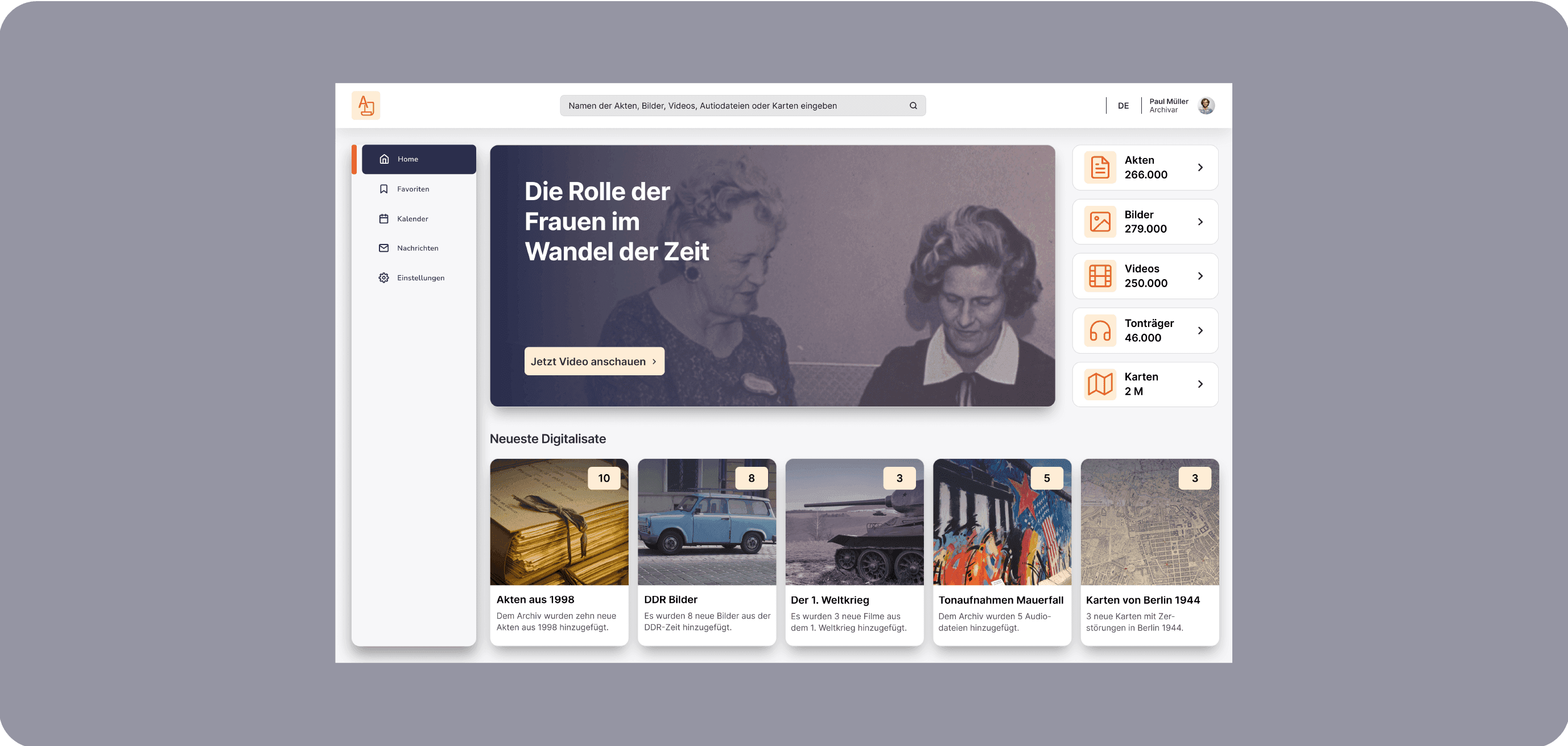
Redesigned an outdated archive search engine to create a modern, intuitive, and user-friendly experience. The previous solution was complex and frustrating for users. The goal was to simplify search workflows and improve overall usability.

Challenge

At the start of the project, archival materials were distributed across multiple platforms, each with its own interface and structure. Users had to navigate different systems to find files, maps, photos, audio, or video, making search especially difficult for inexperienced users. The goal of the redesign was to unify all user needs in a single interface, ensuring that power users retained advanced features while the platform remained intuitive and easy to use for newcomers.

At the start of the project, archival materials were distributed across multiple platforms, each with its own interface and structure. Users had to navigate different systems to find files, maps, photos, audio, or video, making search especially difficult for inexperienced users. The goal of the redesign was to unify all user needs in a single interface, ensuring that power users retained advanced features while the platform remained intuitive and easy to use for newcomers.

At the start of the project, archival materials were distributed across multiple platforms, each with its own interface and structure. Users had to navigate different systems to find files, maps, photos, audio, or video, making search especially difficult for inexperienced users. The goal of the redesign was to unify all user needs in a single interface, ensuring that power users retained advanced features while the platform remained intuitive and easy to use for newcomers.

Solution

To design a research platform for all user groups, 27 participants (standard users, power users, and internal staff) were interviewed. They shared information about their demographics, device usage, and experiences with search engines and research platforms, which informed the development of personas. A quantitative analysis of the requirements helped categorize features into four priority levels, and user stories were created to define the necessary functionalities in detail.
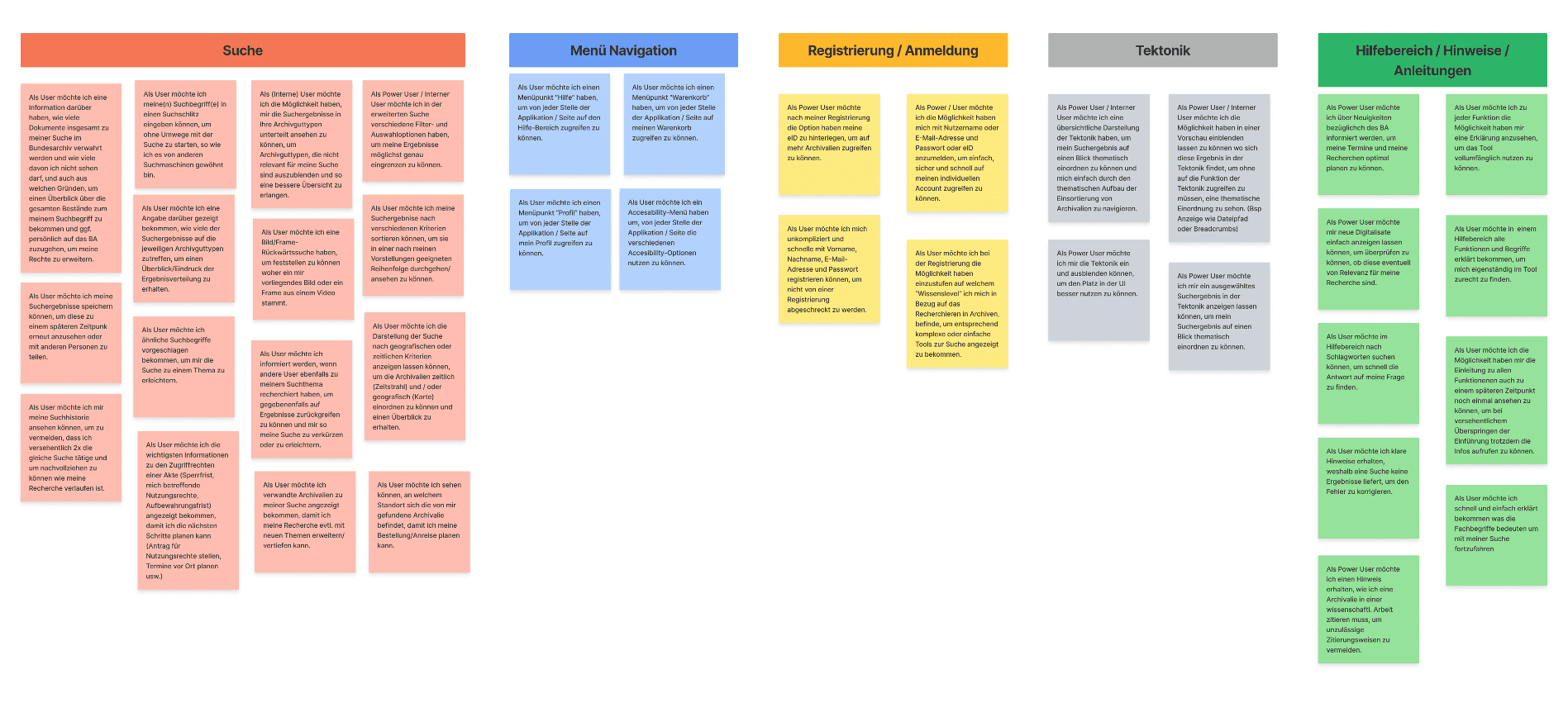
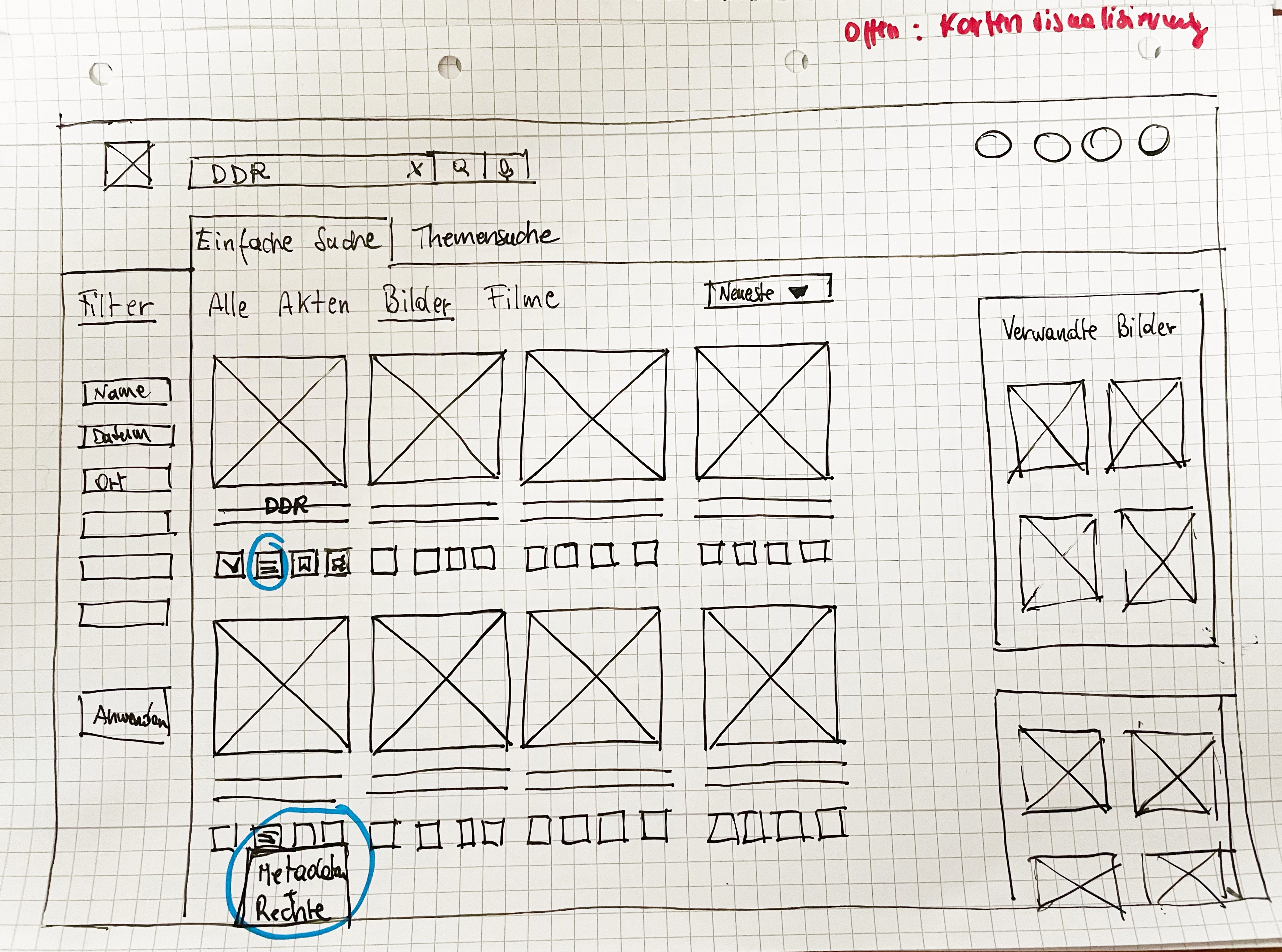
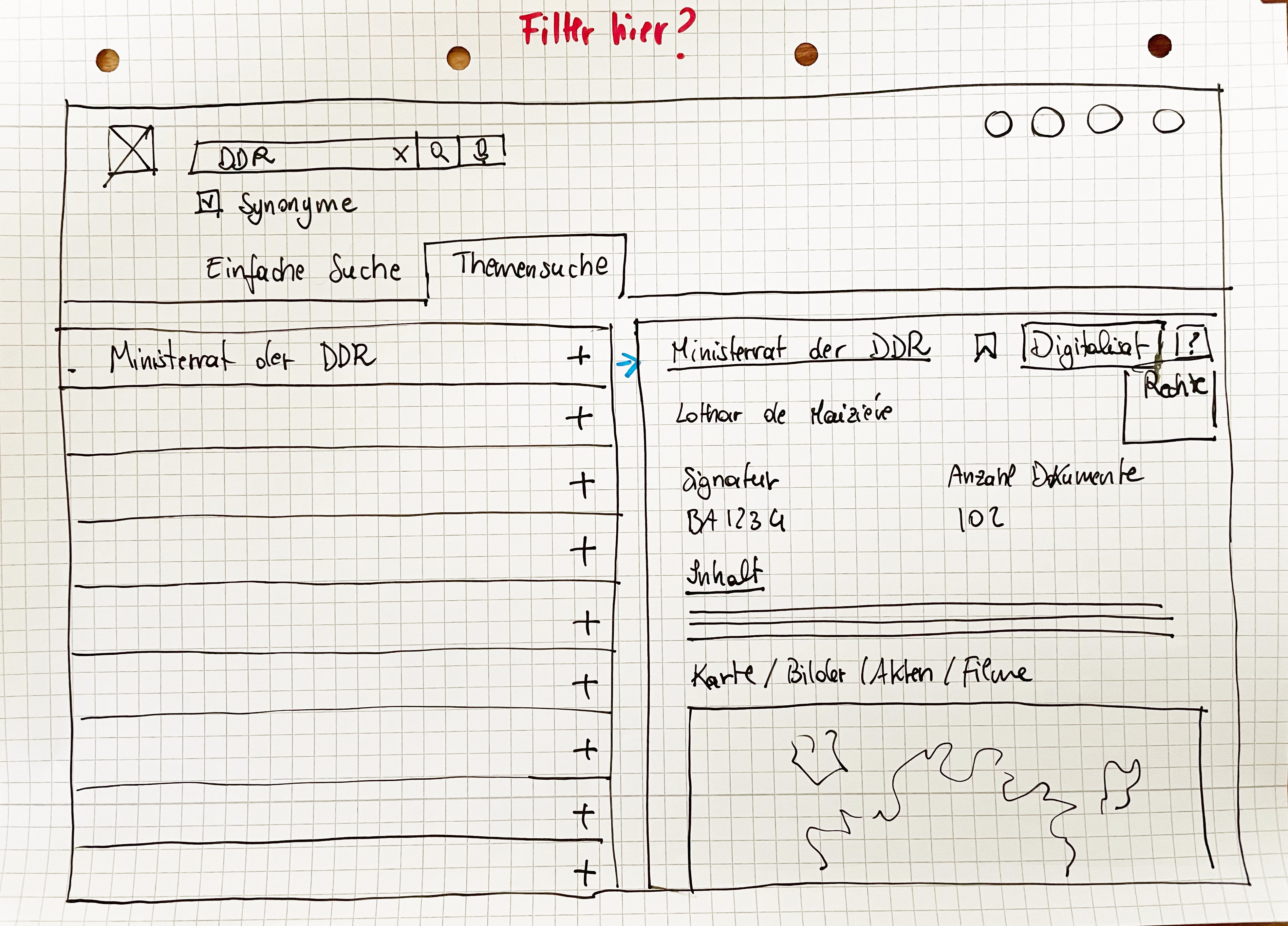
Using these requirements, a site map was created, followed by initial hand-drawn sketches and a digital low-fidelity prototype, which was then tested and evaluated by the user representatives. This process helped identify which requirements had been met and which features needed further iteration.
Project Gallery Image for 50% width of the screen #1

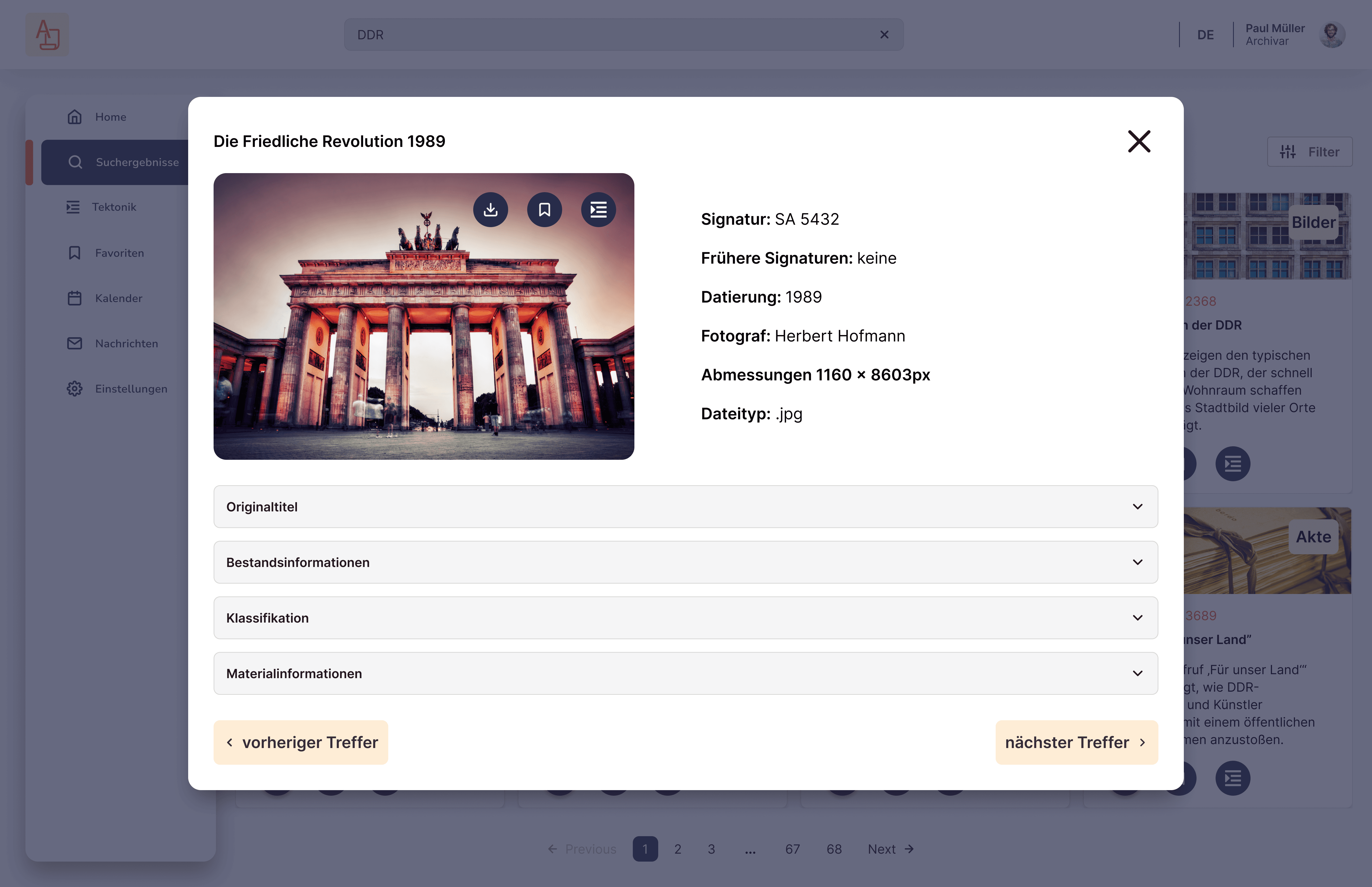
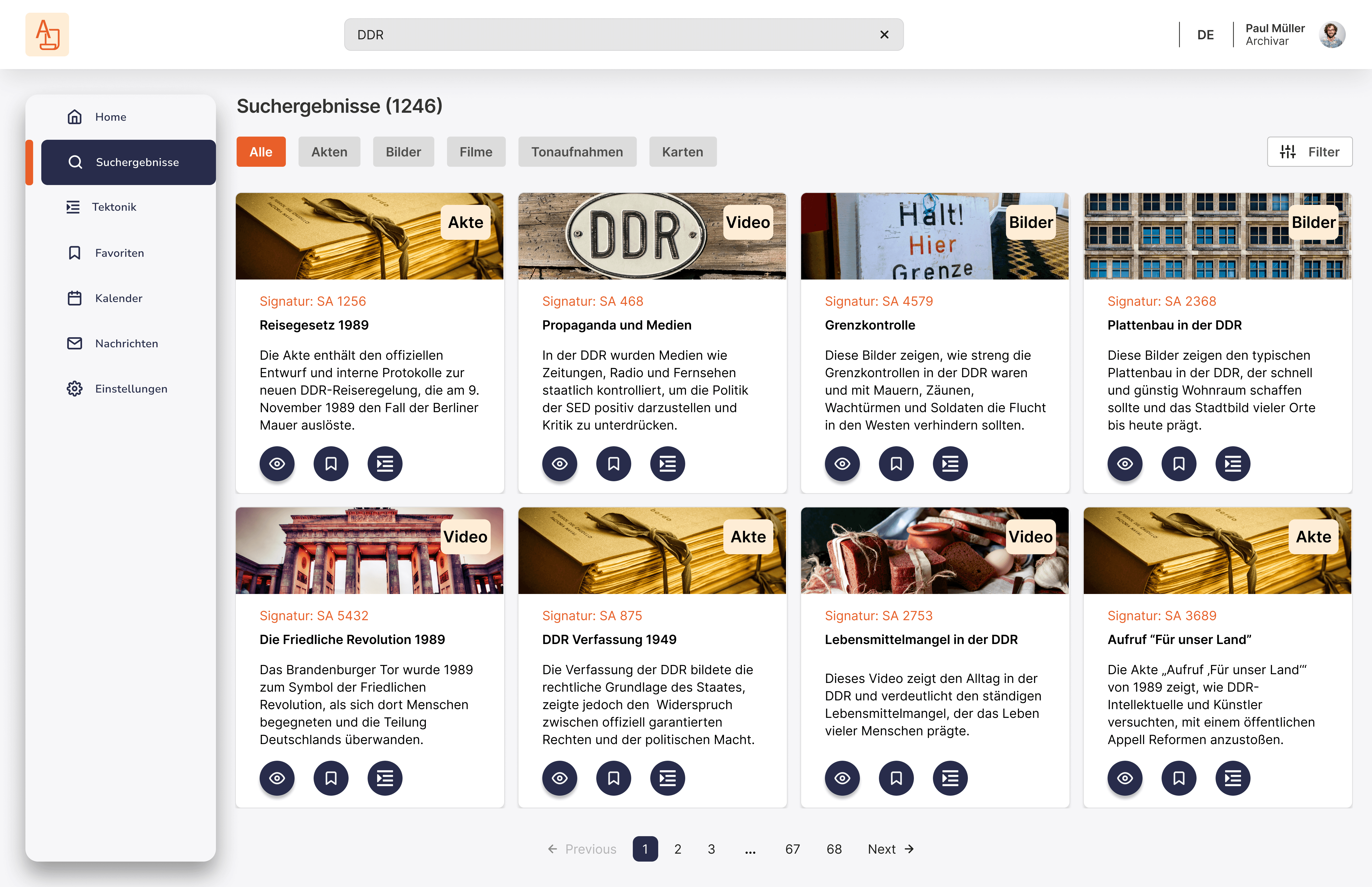
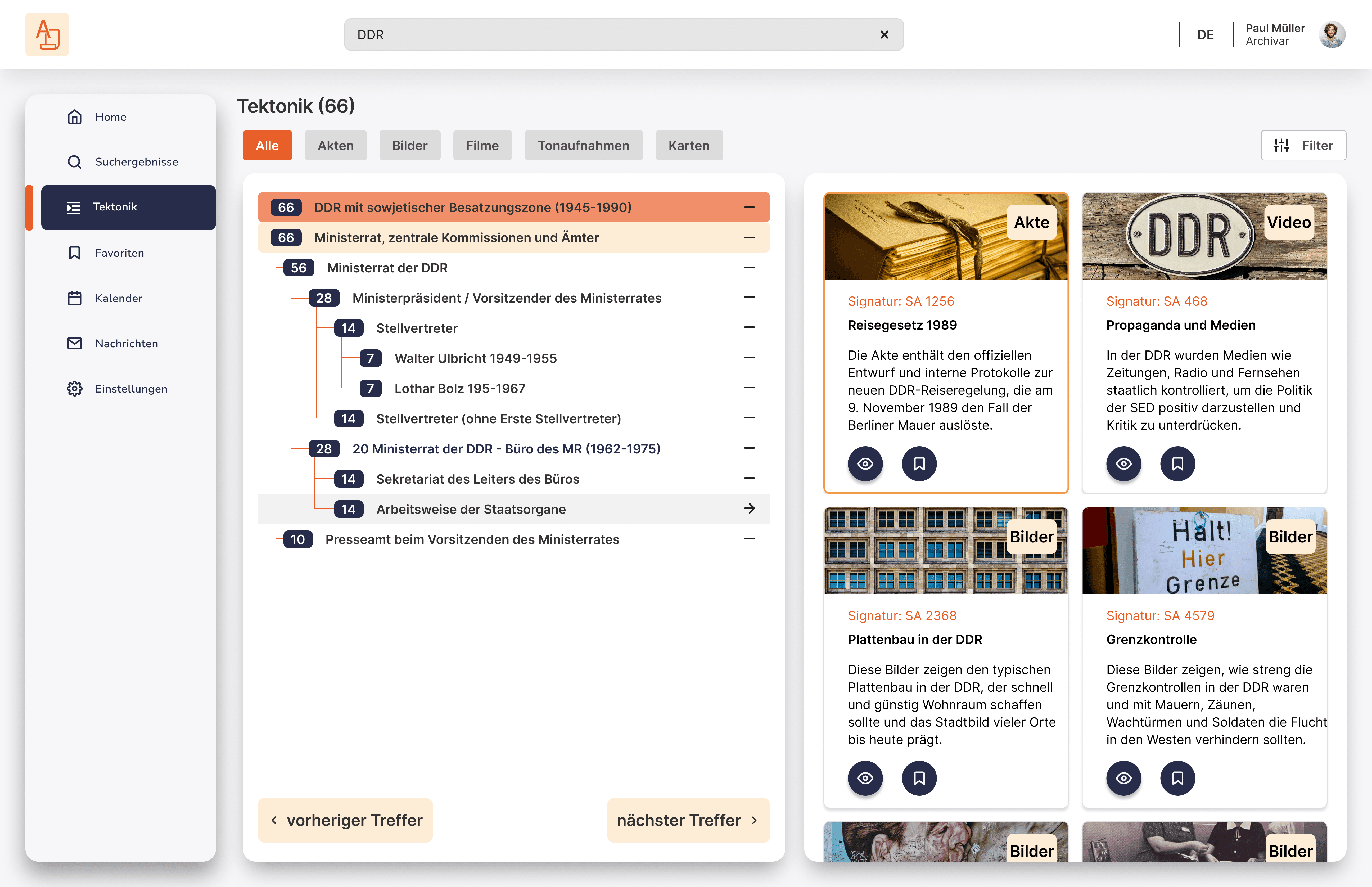
The low-fidelity prototype was then enhanced with visual design elements: colors, effects, animations, typography, and imagery were applied to create a modern look. Feedback from the usability tests was incorporated into this high-fidelity prototype, which was tested once more by the user groups. Their feedback informed the final design. Additionally, the archives received a style guide for future use, as well as a comprehensive catalog detailing all user requirements and design recommendations.
Key Takeaways

The design solution enables all user groups to conduct seamless research through an intuitive platform. It provides advanced features for in-depth searches. The high-fidelity prototype serves as a blueprint for user-centered development of the digital reading room. Please note: all screens shown on this page have been altered from their original form to preserve privacy and protect sensitive data.