Transforming a complex internal tool into a streamlined user-centered experience through research-driven design.
This project focuses on improving the usability of a group management application used daily by internal stakeholders. By combining structured analysis with direct user feedback, the goal is to reduce friction, simplify workflows, and create a more efficient and satisfying user experience.
Challenge
The existing group management application had grown increasingly complex over time, making it difficult for internal stakeholders to efficiently complete their daily tasks. Users who relied heavily on the tool reported friction in navigation, unclear structures, and time-consuming workflows. To identify concrete usability issues and improvement opportunities, a structured audit of the current solution was conducted, followed by hands-on usability testing with key internal users.
The existing group management application had grown increasingly complex over time, making it difficult for internal stakeholders to efficiently complete their daily tasks. Users who relied heavily on the tool reported friction in navigation, unclear structures, and time-consuming workflows. To identify concrete usability issues and improvement opportunities, a structured audit of the current solution was conducted, followed by hands-on usability testing with key internal users.
The existing group management application had grown increasingly complex over time, making it difficult for internal stakeholders to efficiently complete their daily tasks. Users who relied heavily on the tool reported friction in navigation, unclear structures, and time-consuming workflows. To identify concrete usability issues and improvement opportunities, a structured audit of the current solution was conducted, followed by hands-on usability testing with key internal users.
Solution
The project began with a comprehensive audit to uncover usability gaps and optimization potential across the platform. Building on these findings, seven usability testing sessions were conducted with stakeholders who regularly interact with the system. These sessions provided valuable qualitative insights into real user behaviors, pain points, and expectations.
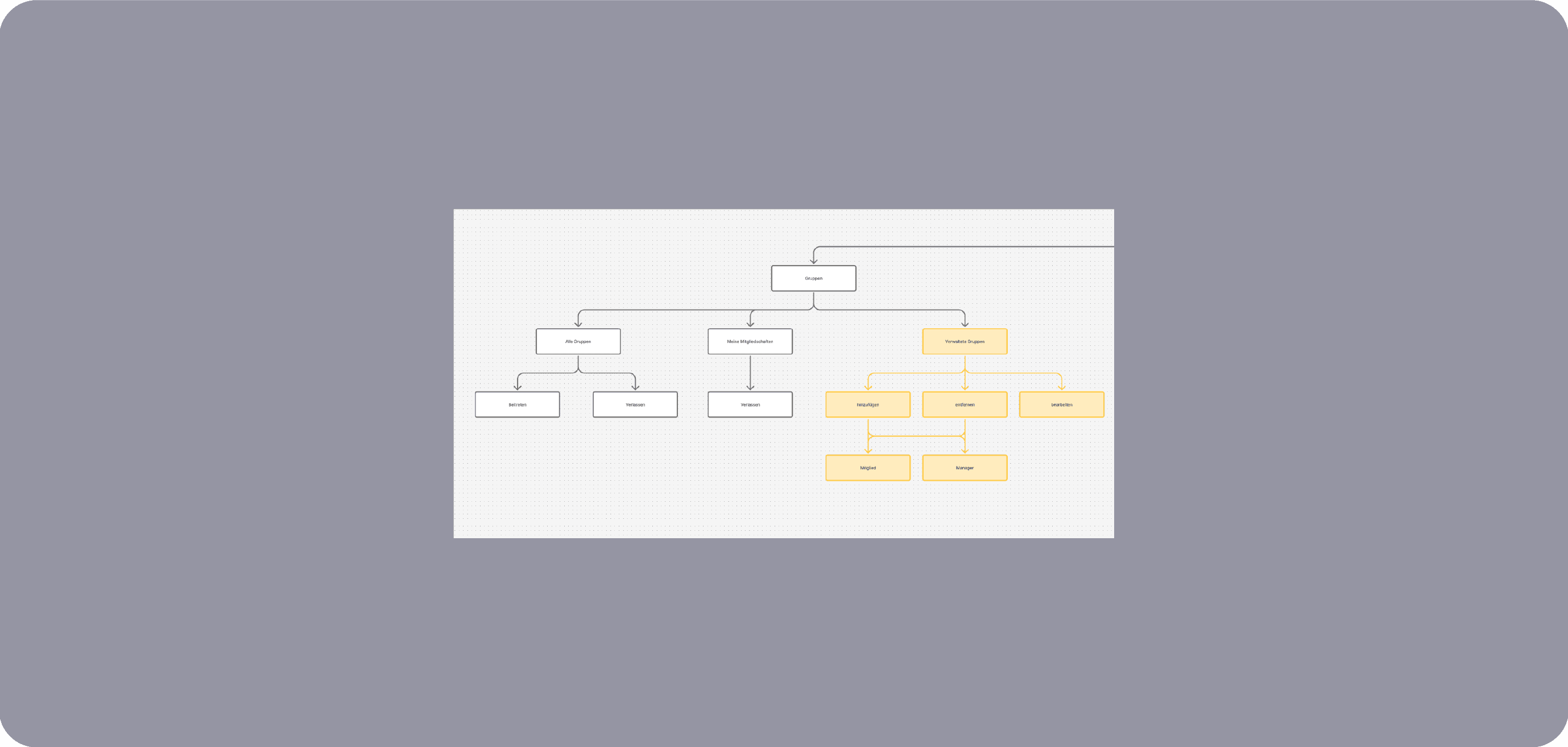
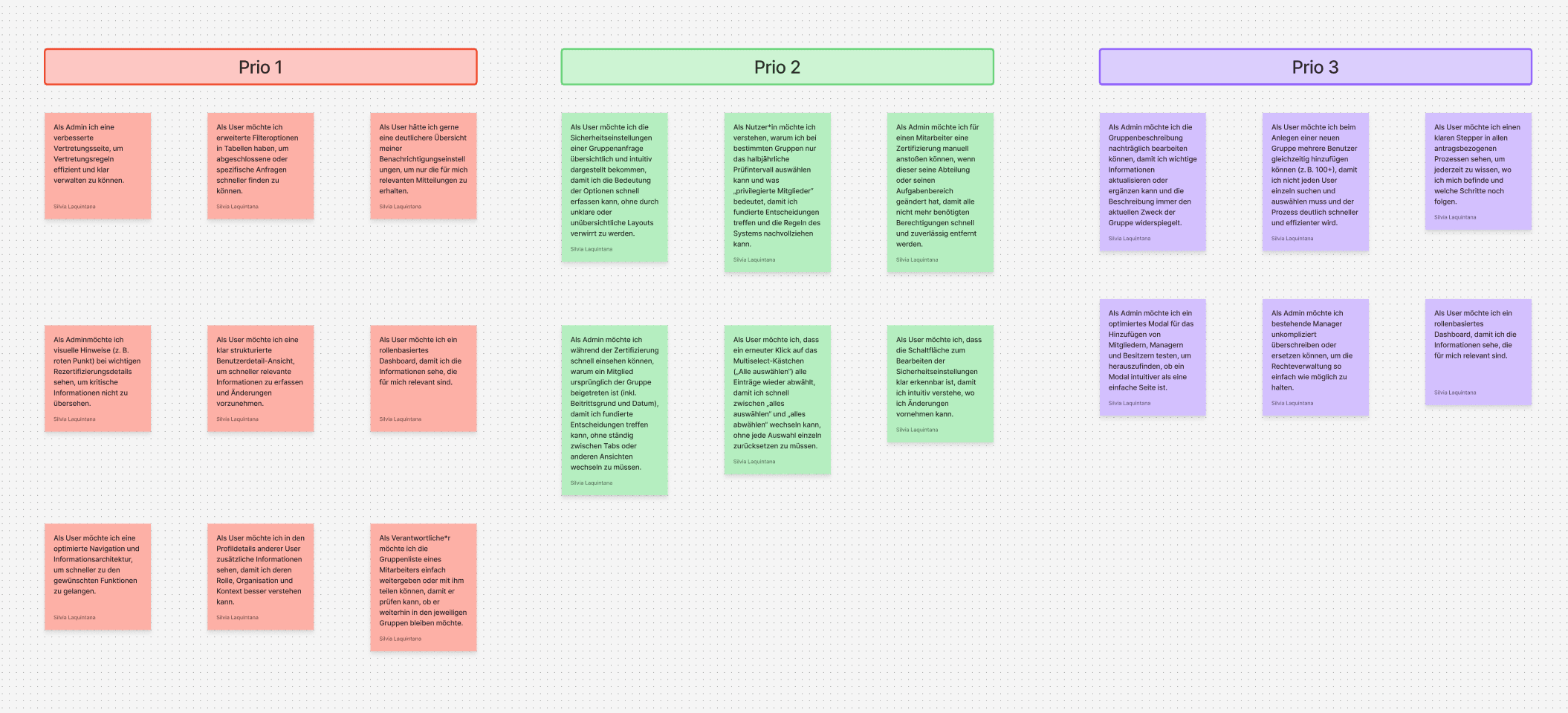
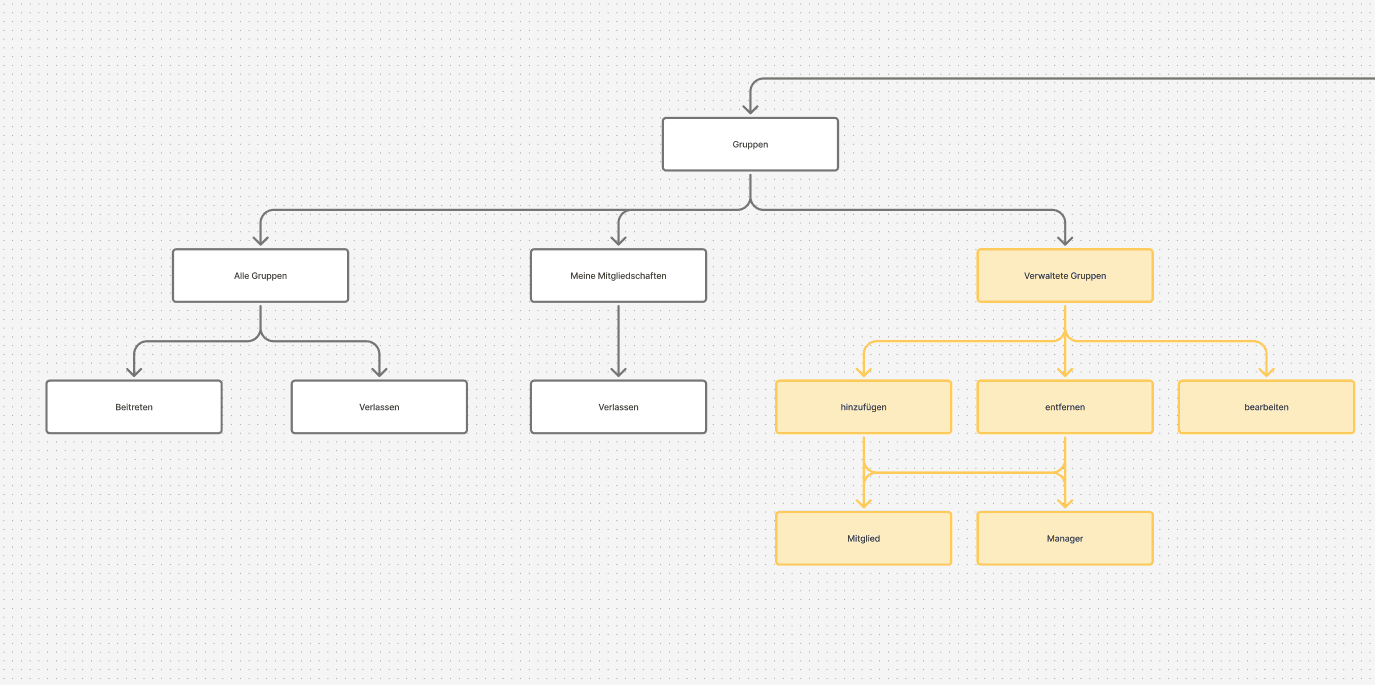
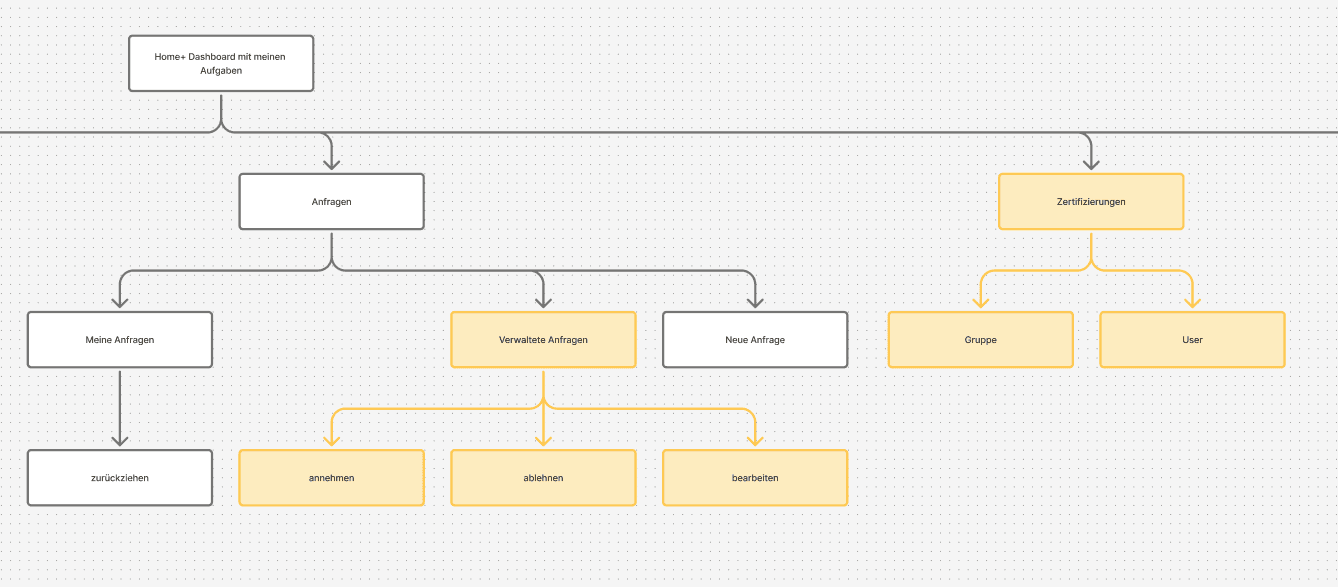
Currently, the feedback is being structured, analyzed, and translated into prioritized UX backlog items, and I am also working on developing a new information structure to better support these improvements.
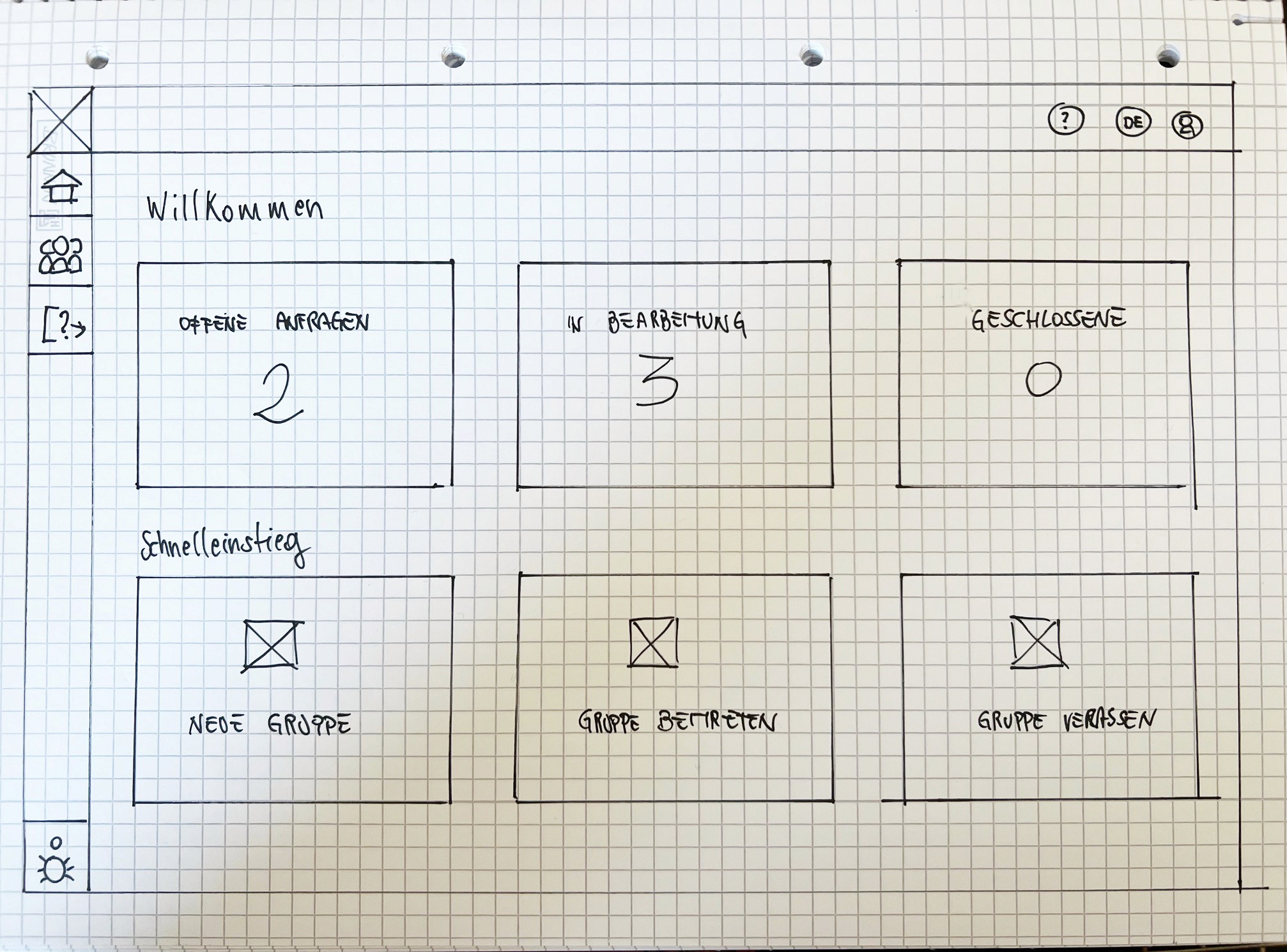
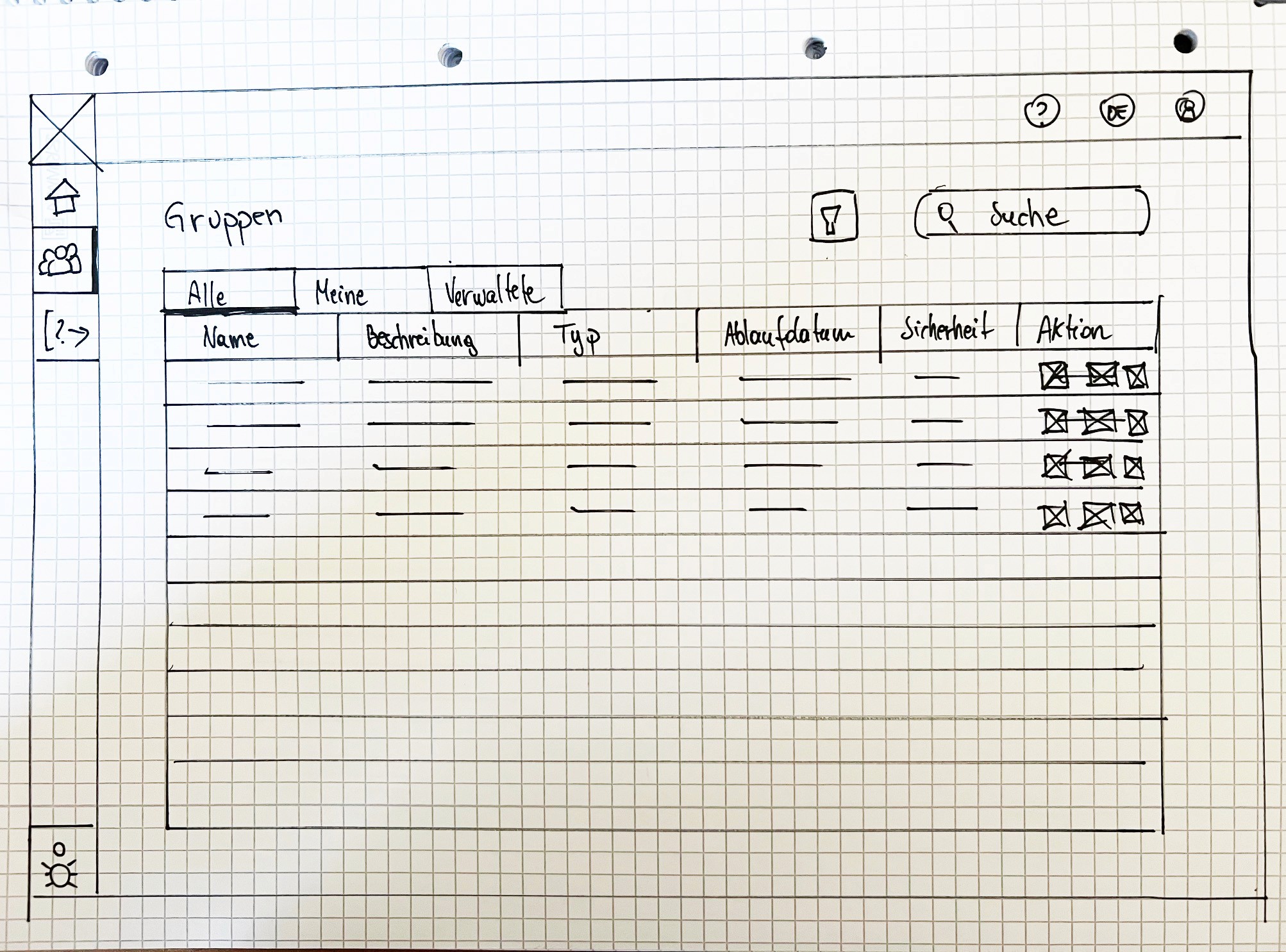
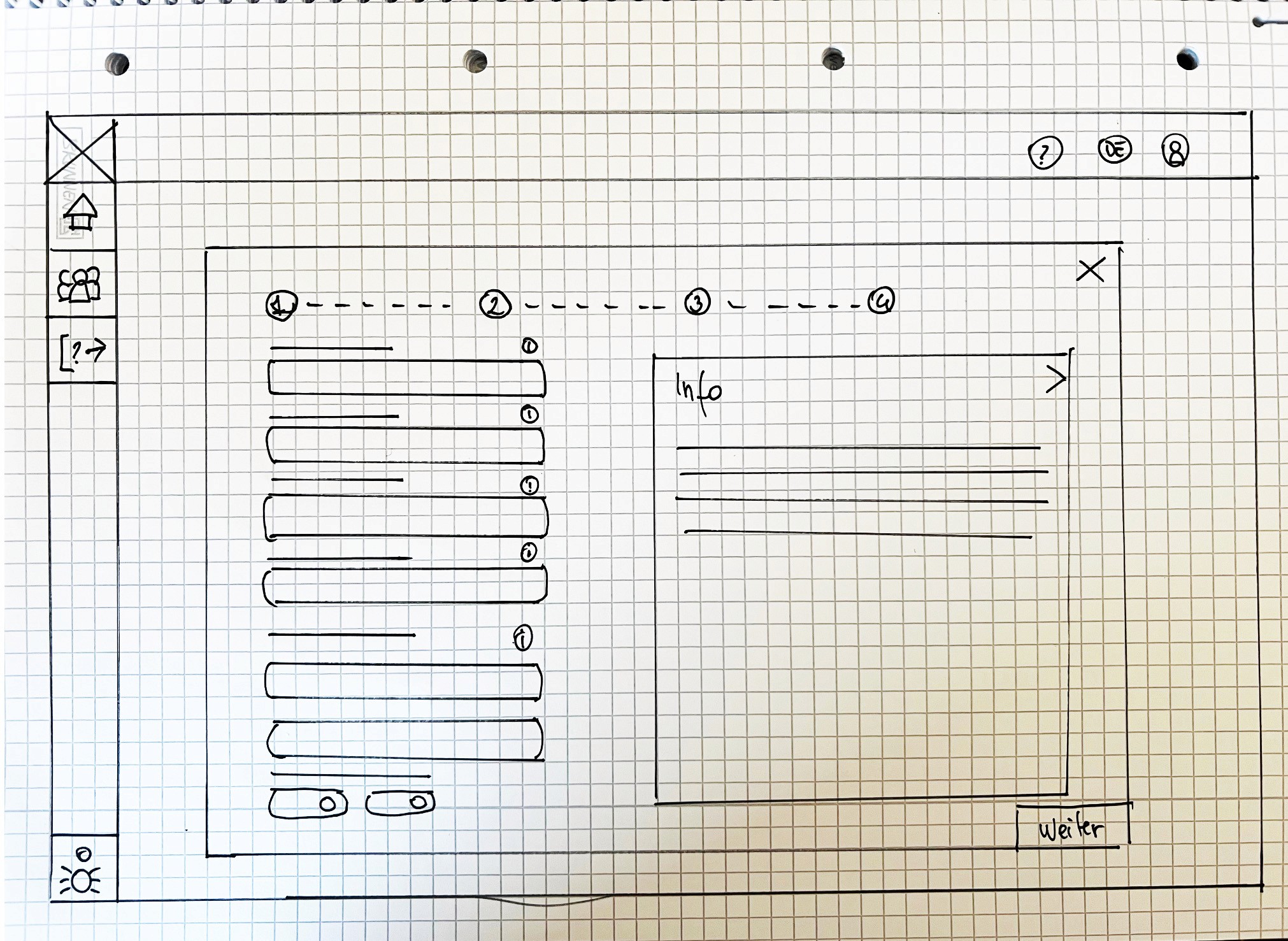
Before moving into the prototype design phase, I am currently developing initial sketches to explore and refine key concepts.
Key Takeaways
The project is currently in a critical synthesis phase, where user feedback is being organized and prioritized to inform the next design iterations. Early insights already highlight clear opportunities to simplify workflows and improve overall usability. Moving forward, the focus will shift toward prototyping and validating new solutions, ensuring that design decisions remain grounded in real user needs and continuous feedback.